Indian Yoga in the Philippines: What Makes It Different
Yoga has been part of the Philippine fitness scene for years now. Most people who have taken a class picture the same thing: a mat, some stretching, maybe a bit of breathing at the end. That picture is not wrong, exactly. It is just incomplete.
Indian yoga, the tradition as it developed and is still taught across India today, is a much bigger practice than the version most gyms and studios offer. Understanding that difference is useful whether you are new to yoga or you have been practicing for years without quite knowing what you were missing.

Yoga Was Never Meant to Be Just Physical
In its original form, yoga is built around eight limbs, not one. Asana, the physical postures most people associate with yoga, is only a single piece. The rest includes ethical principles, breath control, concentration, meditation, and a philosophical framework for how to live.
This structure comes from ancient texts like Patanjali's Yoga Sutras and traditions carried forward through the Bhagavad Gita. None of it is new information invented by modern wellness culture. It is centuries old, and it was designed as one connected system.
When a class strips out everything except the postures, what remains is closer to stretching with Sanskrit names attached. It is not wrong to enjoy that. It is just not the full practice.
Pranayama: The Breathwork Most Classes Skip
Pranayama, the formal study of breath control, is one of the clearest examples of what gets left out. Techniques like Nadi Shodhana, Kapalabhati, and Ujjayi are not warm-up exercises. They are precise practices developed to regulate the nervous system, improve focus, and support conditions ranging from anxiety to poor sleep.
Traditional Indian yoga treats pranayama as central, not optional. A teacher trained in the tradition can guide a student through these techniques safely, which matters more than it sounds like it should. Breath practices done incorrectly can do more harm than good.
Meditation and Philosophy as Daily Practice, Not an Afterthought
Dharana and dhyana, concentration and meditation, are two more limbs that rarely make it into a typical class. In the Indian tradition, they are taught as a daily, sustainable practice rather than a five-minute cooldown at the end of a session.

The philosophy behind the postures matters too. Understanding why a posture is sequenced a certain way, or what a mantra means before chanting it, changes the experience of the practice completely. It moves yoga from something you do to something you understand.
Why Lineage Matters in Indian Yoga
Anyone can learn a sequence of poses from a video. Fewer people have spent years training and teaching at established schools in places like Rishikesh, widely regarded as the birthplace of modern yoga.
Teachers who trained at the source generally carry something harder to replicate: a working understanding of anatomy, philosophy, and breathwork built through years of hands-on teaching, not a weekend intensive. This is part of what schools mean when they talk about lineage. It is less about pedigree and more about depth of training.
What This Looks Like for Everyday Practitioners
You do not need to be flexible, young, or already fit to benefit from a fuller yoga practice. In fact, many people drawn to the traditional approach are dealing with something specific: managing diabetes, PCOS, arthritis, or anxiety, and looking for a practice that supports the whole picture, not just muscle tone.
Others come to it after years of gym-style yoga classes, sensing there was more to the practice than what they were getting. And some are simply curious about a tradition that predates modern fitness culture by centuries.
A Few Things Worth Knowing Before You Start
If you are looking into Indian yoga in the Philippines for the first time, a few points are worth keeping in mind.
Traditional Hatha yoga is not about flexibility on day one. It is a gradual practice, and most schools built on the traditional model will adjust the pace to the student rather than the other way around.
Pranayama and meditation are typically introduced gradually, alongside the physical practice, not as separate add-ons. If a program treats them as an afterthought, that is often a sign of how much depth the training actually has.
Certifications and teacher credentials matter if you plan to go further. Look for recognition from bodies like India's Ministry of AYUSH, the International Yoga Association, or Yoga Alliance, since these are independently verifiable rather than self-issued.
The Practice Is Bigger Than the Pose
Indian yoga, taught in full, is a system of physical, mental, and philosophical practice that has held up for a very long time. Whether you are looking for a class, considering teacher training, or just curious about what you have been missing in your current routine, understanding the tradition behind the poses is a good place to start.
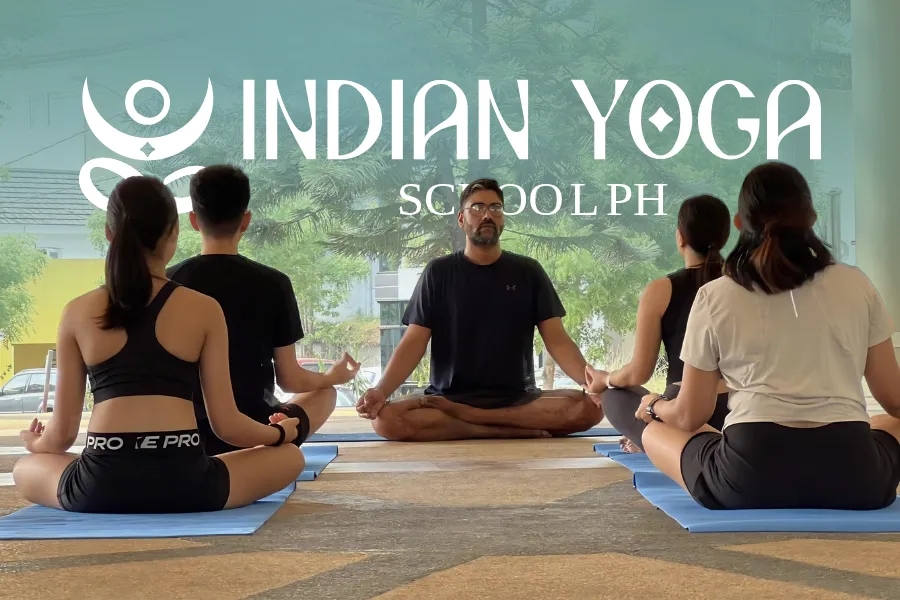
We built Indian Yoga School PH in Taytay, Rizal to offer exactly that, a way to experience the fuller version of the practice locally, with training rooted in the same lineage taught across India today.
